


How essential oils are distilled: physical and chemical processes underlying extraction
How essential oils are distilled: physical and chemical processes underlying extraction Giugno 25, 2026 Redazione Distillation is one of the most important processes in the production of essential oils. Used for centuries and refined by modern industry, this technique allows for the extraction of aromatic compounds present in medicinal plants while preserving their organoleptic and functional characteristics. For companies operating in the cosmetics, herbal teas, nutraceuticals, and aromatherapy sectors, understanding how distillation works is essential for assessing the quality of raw materials and selecting reliable suppliers. Essential oils are complex mixtures of volatile aromatic compounds naturally produced by plants. Found in flowers, leaves, roots, seeds, or bark, they perform important biological functions, such as defense against pests and microorganisms. Chemically, they consist primarily of terpenes, alcohols, esters, aldehydes, and ketones, molecules responsible for the aromatic characteristics and specific properties of each essence. The goal of distillation is to separate these compounds from the plant material without degrading them. The physical principle of steam distillation The most widely used technique in the essential oil industry is steam distillation. The process exploits a relatively simple physical principle: when two immiscible liquids, such as water and essential oil, are heated together, their overall vapor pressure increases. This allows the aromatic compounds to evaporate at temperatures lower than their normal boiling points. In practice, the steam passes through the plant mass, carrying with it the volatile aromatic molecules present in the plant. This mechanism prevents the more delicate ingredients from overheating, preserving their quality. The stages of distillation The industrial process generally develops in four main phases. Preparation of the Raw MaterialThe plants are harvested at the optimal balsamic moment, that is, when the concentration of essential oils reaches its maximum level. The plant material is then selected, cleaned, and sometimes lightly dried to reduce moisture and improve production yield. The quality of this phase directly affects the final composition of the essential oil. Preparation of the Raw Material Water is heated in a boiler until saturated steam is produced. The steam is then conveyed into the still containing the plant material. As it passes through the plants, the steam breaks down the cellular structures that enclose the essential oils, facilitating their release. Condensation The mixture of water vapor and aromatic compounds is transferred to a condenser. Here, the temperature is rapidly lowered and the vapor returns to a liquid state. This results in a mixture of aromatic water and essential oil. Essential Oil Separation Since water and oil have different densities, they naturally tend to separate. Using special separators, called essencers or Florentine vessels, the essential oil is collected and isolated from the aromatic water, also known as hydrolate. Both products can have commercial value and specific applications. What happens chemically during distillation? From a chemical standpoint, distillation does not create new substances but separates and concentrates those already present in the plant. However, parameters such as temperature, pressure, and process duration can significantly influence the final profile of the essential oil. Excessively long distillation can promote degradation or transformation of some more sensitive molecules. Conversely, insufficient distillation may not fully extract the desired aromatic compounds. For this reason, controlling process parameters is one of the most important aspects of industrial production. Why the quality of the raw material is crucial Even the best distillation system cannot compensate for poor-quality raw materials. The concentration of essential oils varies depending on numerous factors: botanical variety; geographical area of cultivation; climatic conditions; harvest period; preservation techniques. For companies purchasing natural ingredients for cosmetics, supplements, or wellness products, choosing the right supplier becomes strategic. Specialized companies like Rosso Essenze select and supply medicinal herbs and aromatic raw materials for industry, helping to ensure consistent quality and traceability throughout the supply chain. Distillation and quality control In modern production, the quality of essential oils is verified through advanced instrumental analyses.Among the most commonly used techniques are gas chromatography coupled with mass spectrometry (GC-MS), which allows for the identification and quantification of individual aromatic components.These tests allow for verification of: Authenticity of the essential oil; absence of alterations; compliance with industry standards; consistency of quality between batches. For B2B manufacturers, this data represents a fundamental guarantee for the development of reliable and reproducible formulations. Articolo precedente
Surprising Uses of Roman Chamomile Oil
Surprising uses of Roman chamomile oil Maggio 22, 2026 francesco.porro@ottimapixel.com Roman chamomile essential oil is one of the most highly regarded botanical extracts in the wellness and natural cosmetics industry. Derived from the plant’s flowers via steam distillation, it is known for its delicate aromatic profile and for containing compounds such as esters and terpenes, which are responsible for its calming and balancing properties. In addition to its more traditional use in aromatherapy, this oil has lesser-known but highly interesting applications in both professional and industrial settings. Aiding relaxation in professional formulations One of its most common uses is in aromatic blends designed for relaxation. Roman chamomile oil is often included in blends for room diffusers, massage oils and spa products.Its sweet, slightly herbaceous scent helps to create a soothing atmosphere, which is why it is widely used in wellness centres and in cosmetic ranges dedicated to stress management. Ingredients for soothing and skin-friendly cosmetics In the cosmetics industry, this oil is particularly valued for its gentle action on the skin. It is used in creams, serums and body oils designed for sensitive or easily irritated skin. Roman chamomile is often chosen for after-sun formulations, children’s products and skin-soothing treatments. Its use is linked to its ability to support skin comfort without being harsh. Applications in natural perfumery A lesser-known but very interesting use is in natural perfumery. Roman chamomile oil is used as a heart or base note in floral and herbaceous compositions. Its soft fragrance helps balance more intense accords, adding depth and roundness to olfactory formulations. Support in sleep and relaxation formulations In many blends designed for nighttime rest, Roman chamomile oil is combined with other essential oils to create calming synergies. It is often found in evening diffusers, relaxing roll-ons, and products designed to promote mental relaxation before bed. Its primary function is not strictly speaking a sedative, but rather to harmonize the nervous system. Use in B2B production of raw materials In the industrial sector, this oil is primarily sought after by companies producing:• natural cosmetics• aromatherapy products• spa and wellness lines• aromatic supplementsThe quality of the raw material is crucial, as variations in composition can affect the olfactory performance and stability of the final product.Specialized suppliers such as Rosso Essenze select and distribute essential oils and botanical raw materials for the industry, ensuring consistent standards and traceability. Use in functional blends for wellness Another interesting application involves functional blends, where Roman chamomile oil is combined with lavender, lemon balm, or sweet orange. In these blends, it is used not only for its fragrance, but also to create aromatic synergies aimed at emotional rebalancing and general relaxation. Roman chamomile oil is much more versatile than you might think. From cosmetics to perfumery, to wellness and industrial applications, it represents a valuable raw material for those working with natural ingredients. Its effectiveness depends heavily on the quality of the supply chain and the selection of raw materials, which is why the choice of supplier becomes a strategic factor for all companies in the sector. Articolo precedente Articolo precedente
Peppermint: A Treasure of Well-being and Freshness

Peppermint is one of the most appreciated and versatile herbs, used for centuries for its therapeutic properties and its unmistakable fresh and pungent aroma. Our company, dedicated to the production of high quality essential oils, makes the most of this extraordinary plant, cultivating it and transforming it into pure and natural essential oils. Origins and characteristics Peppermint (Mentha piperita) is a hybrid plant, born from the crossing of the aquatic mint (Mentha aquatica) and the green mint (Mentha spicata). This combination gives it an intense aroma and a high content of menthol, which are the basis of its many beneficial properties. Originally from Europe and the Middle East, peppermint is now grown worldwide for culinary, medicinal and cosmetic uses. Therapeutic properties Peppermint essential oil is known for its numerous therapeutic properties. Among the main benefits are: Production and quality The quality of the oil depends to a large extent on the agricultural practices and extraction methods used. Our company is committed to growing it in accordance with good agricultural practices, without the use of chemical pesticides or synthetic fertilizers. The plants are harvested at the right time, when the concentration of active ingredients is maximum, to guarantee a very high quality essential oil.The extraction process is carried out by steam distillation, a technique that preserves the therapeutic properties of the oil without the use of chemical solvents. Each batch of essential oil is subjected to rigorous chromatographic analysis to ensure its purity and efficacy, in accordance with international quality and safety standards. Practical Applications The essential oil can be used in many ways to benefit from its properties: Conclusion Peppermint is a unique plant that offers a wide range of health and wellness benefits. Our company is committed to producing essential oil of peppermint of the highest purity and quality, respecting nature and guaranteeing safe and effective products. Discover the refreshing and therapeutic power of peppermint essential oil and let yourself be enveloped by its natural freshness and its countless benefits. Contact us for more information!
Melissa officinalis: Properties and Uses of a Versatile Plant
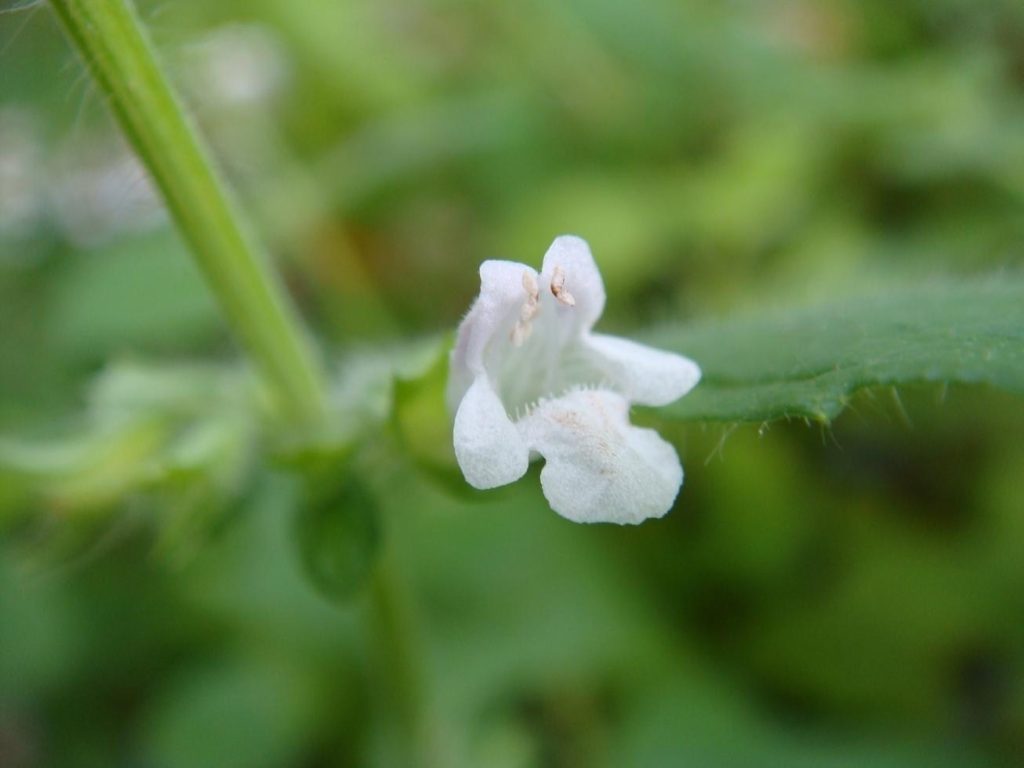
Melissa officinalis, commonly known simply as melissa, is a perennial herbaceous plant belonging to the family of Lamiaceae. It is known and appreciated since ancient times for its numerous medicinal properties and its pleasant citrus aroma. This characteristic perfume has also given her the nickname of “cedronella”. The most used parts of the plant for therapeutic and culinary purposes are mainly the leaves, but also the flowers and stems, which are preferably harvested before or during flowering, when the plant reaches its maximum aromatic and therapeutic potential. The therapeutic properties of melissa In phytotherapy, melissa is appreciated above all for its calming and sedative properties. It is often used to treat states of nervousness, anxiety and stress, thanks to its ability to act as a natural relaxant of the nervous system. Over the centuries, it has been widely used in traditional medicine, with particular attention to disorders of psychic and nervous origin. One of the historically best known uses of melissa has been in the preparation of spirit of melissa, a kind of tonic also called “anti-hysterical water”, particularly effective to calm nervousness in young women and relieve disorders related to hysteria, Term used in the past to describe various mental and physical conditions. Melissa is considered a “plant of Venus” according to the signature theory, an ancient conception that linked medicinal plants to astrological influences. In this case, Venus was associated with the female sphere, and melissa was considered particularly suitable for treating typical women’s disorders, such as amenorrhea and dysmenorrhea, especially when these were caused by psychic factors, stress or hyperexcitability. Melissa and digestive health In addition to its benefits on the nervous system, melissa is widely recognized for its digestive virtues. Its leaves are used to prepare infusions that can help soothe disorders such as dyspepsia, poor digestion and abdominal swelling. Thanks to its antispasmodic properties, lemon balm is also useful for relieving abdominal cramps and colic. It is particularly indicated to treat nausea associated with states of stress or anxiety, providing a double benefit both at the digestive and nervous levels. The use of melissa in herbal tradition The use of melissa in folk medicine dates back to the Middle Ages, when it was particularly appreciated in monasteries and convents for its healing properties. It was used for the preparation of teas, decoctions and cataplasms intended for the treatment of various physical and mental disorders. Over the centuries, lemon balm has remained one of the favorite herbs for herbalists and phytotherapists, due to its versatility and beneficial effects on different organs and systems of the human body. Among its most common uses is the preparation of thirst-quenching infusions. These pleasantly citrusy infusions are not only refreshing, but also have a calming effect on the nervous system, making them ideal for taking during stressful moments or at the end of a busy day. Lemon balm is also used as an ingredient in various culinary preparations, especially in kitchens that prefer the use of fresh herbs. Other uses and curiosity Beyond its therapeutic use, melissa also finds space in natural cosmetics and the preparation of home remedies. Lemon balm essential oil, for example, is used for its relaxing properties in aromatherapy, and can be diffused into the environment or added to a hot bath to promote relaxation and improve mood. Because of its antiviral properties, it is sometimes also used to treat skin problems such as cold sores. If you are looking for more information about Melissa officinalis contact us!